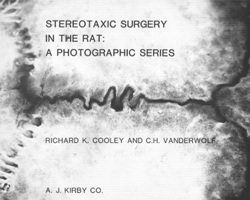
- Stereotaxic Surgery
Each step of stereotaxic surgery, from anesthetizing the animal to suturing, is clearly described and illustrated
- Smart BregmaFinder
Breakthrough innovation provides automated camera-driven zero-positioning of the probe over Bregma. The Smart BregmaFinder controls the robot stereotaxic in order to precisely position the tip of the probe to
- Marmoset Brain in Stereotaxic Coordinates
Laboratory-bred common marmosets (Callithrix jacchus) have a natural lifespan in captivity in excess of 12 years, while their maximum longevity is more than 16 years. Due to its small size, its relatively easy adaptation to laboratory conditions, and neuroanatomical similarities with human species, this animal is considered to represent a convenient primate model for neurosciences and drug development.

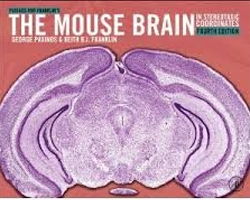
- Mouse Brain
In the years since its first publication, Paxinos and Franklin’s the Mouse Brain in Stereotaxic Coordinates has received virtually universal acceptance in neuroscience as the authoritative source for stereotaxic coordinates and delineations. This atlas is constructed in the style of The Rat Brain in Stereotaxic Coordinates, the most cited publication in neuroscience. The completely revised and updated 4e of Paxinos and Franklin’s the Mouse Brain in Stereotaxic Coordinates features high-quality color plates scanned by the renowned microscopy unit of the Allen Institute for Brain Science. Constructed by the leaders in neuroanatomical atlas development, the new edition will maintain the position of the atlas as an indispensable resource for scientists working on the mouse brain.
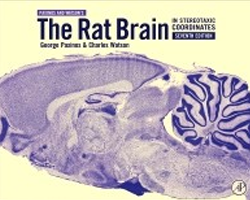
- Rat Brain in Stereotaxic Coordinates, 7th Edition
Since its first edition in 1982, the Paxinos and Watson rat brain atlas has become the most trusted source of accurate coordinates and anatomical information in laboratories throughout the world. It has been cited over 60,000 times, making it the most cited publication in neuroscience. The seventh edition incorporates new findings on developmental gene expression and presents the boundaries of neuromeres in sagittal sections.
- Rhesus Monkey Brain
The second edition of this classic atlas is a complete revision, featuring many improvements and upgrades. Constructed by the established leaders in neuroanatomical atlas development, the new edition will again be the indispensable resource for all scientists working on the primate nervous system.

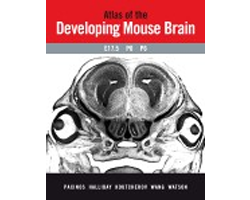
- Developing Mouse Brain
This atlas provides an accurate and detailed depiction of all brain structures at fetal stage E17.5, Day of birth, and Day 6 postnatal. In addition to brain structures, the atlas delineates peripheral nerves, ganglia, arteries, veins, muscles bones and other organs.
- Rat Nervous System
The third edition of the standard reference on the nervous system of the rat is a complete and updated revision of the 1994 second edition. It provides the latest information in research on the rodent brain, spinal cord, and peripheral nervous system. The structure, connections, and function are explained in exquisite detail, making this an essential book for any graduate student or scientists working on the rat nervous system.
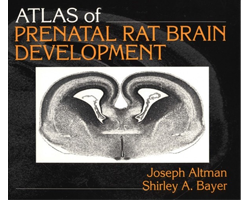
- Prenatal Rat Brain Development
Ten embryonic ages are presented with 20-35 plates each. Plates represent the brain of each age in sagittal and coronal planes. A unique 3-D reconstruction of the brain is presented for each of the ten age
- Laboratory Animal Anaesthesia, 2nd Edition
This handbook provides a basic practical guide to anaesthesia in laboratory animals. Topics covered are the general principles of pre-operative care, anaesthetic techniques, and anaesthetic managements.
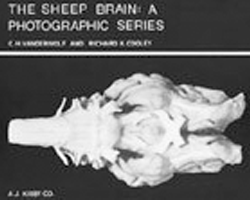
- The Sheep Brain, Vanderwolf & Cooley
An advanced laboratory guide for the study of neuroanatomy using the sheep brain as dissection material. Appendices illustrate histology, function, and brains of common laboratory animals. 8 1/2 x 11 inch paperback,108 pages.
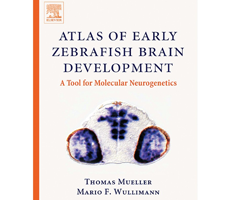
- Atlas of Early Zebrafish Brain Development
The first neuroanatomical expression atlas of important genetic and immunohistochemical markers of a vertebrate model system, this book provides comparative context to other model systems and includes many explanatory schematics in uniform style and color coding.
- Mouse Mutations, Sundberg, Boggess
Includes the fundamental elements in creating and maintaining colonies of mutant strains of mice, written by renowned experts at the Jackson Laboratory. Other chapters focus on the popular and definitive biochemical and behavioral methods for phenotypic characterization of mutations. 199 pages.

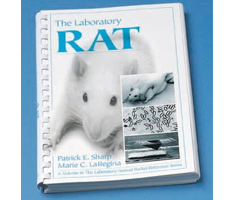
- The Laboratory Rat
Features include normative values, anesthesia methods, blood sampling methods, age related lesions, colony health surveillance, and necropsy techniques. Includes husbandry tips, resource lists, and experimental methodologies.
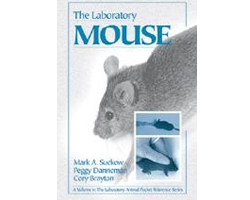
- The Laboratory Mouse
The latest in the family of reference books for model species. Includes chapters on basic biology, physiological data, laboratory care, housing, veterinary care and husbandry, anesthesia, and diseases and preventative measures. 184 pages.